Consulting & guidance notes
Written conversations about shaping an outdoor habit around a busy week. We describe options and trade-offs; you decide what suits your situation.
Henderson, Tāmaki Makaurau
We document how people structure walks, quiet breaks, and unhurried weekends around the green spaces of West Auckland. Everything here is general informational reading you can adapt at your own pace.
What you can read here
We separate our material by purpose so you can find the right format for a given afternoon, rather than scrolling through one long page.
Written conversations about shaping an outdoor habit around a busy week. We describe options and trade-offs; you decide what suits your situation.
Simple frameworks for arranging walks and rest blocks across a fortnight. These are lifestyle templates, not clinical programmes of any kind.
Short explainers on local landscapes, seasonal light, and how people have historically used green spaces for unhurried time.
Optional month-long prompts that invite you to revisit one nearby place several times and keep your own written observations.
Why we started writing
Biosierestoreei began as a shared notebook between neighbours who kept comparing the small routines that helped them feel less rushed. Over time those notes turned into structured articles, then into this library.
We are not specialists in any field of health. What we offer is the experience of regularly visiting the same parks and writing honestly about what changed in how we used our free time.
How an article comes together
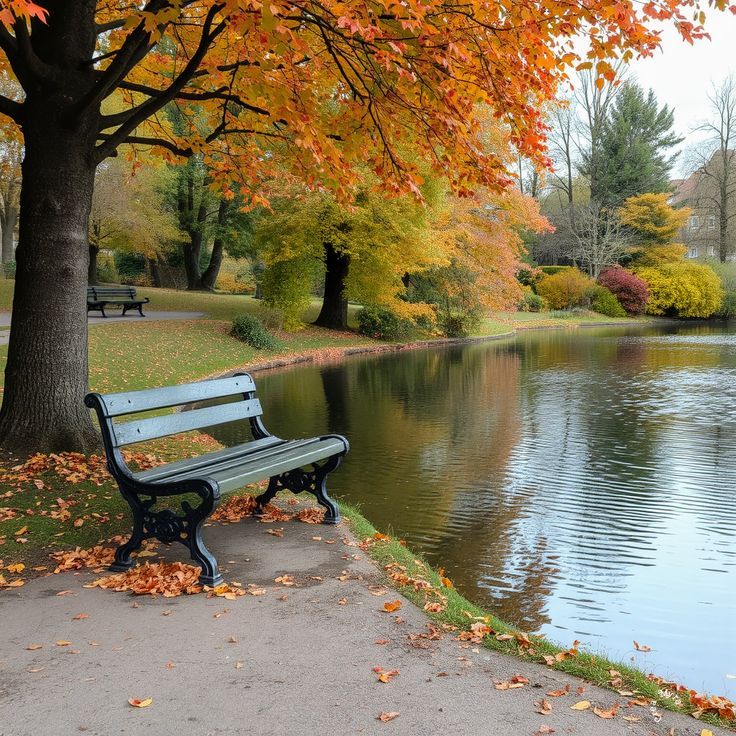
We choose a publicly accessible place, spend unhurried time there, and record what the light, sound, and pace were like that day.
We write what we noticed and what we tried. We avoid telling anyone that a routine will produce a particular outcome.
A second reader checks the language for accuracy, removes overstatements, and confirms the informational framing.
Notes stay open to revision. When a place or our view changes, we update the article and mark it accordingly.
Recurring themes
Most of our writing favours slowing down rather than measuring outputs. A walk does not need a target to be worth taking.
We write about places within reach of Henderson so the ideas stay realistic for everyday weeks.
We keep terminology simple and avoid wording that could be mistaken for clinical advice.
Every framework is offered as a starting point. You are encouraged to change, ignore, or rework anything to fit your own circumstances and any guidance you receive elsewhere.
“We write down what a quiet hour outdoors was actually like, and we leave the conclusions to the person reading.”The editorial note that opens our style guide
Common questions
No. The website provides general informational content about spending time outdoors and arranging restful routines. It is not medical advice and should not be used as a substitute for a qualified professional.
Our core material is informational reading. Where we describe optional educational products or seasonal challenges, the terms are explained clearly on the relevant page.
Yes. Use the contact page to share a publicly accessible location in the wider Auckland area, and we may add it to our list of future visits.
Get in touch
Send us a short message. We read everything and reply when we can, usually within a few working days.